
Burst pipe repair · Valparaiso, IN
Burst Pipe Repair in Valparaiso, IN: Shut It Off, Stop the Flood and Fix the Break
Water is spraying from a pipe, dripping through a ceiling or pooling under a sink after a cold night. The next few minutes decide how much of the house gets wet.
This page gives you the order to work in, explains what freezing does to pipes and what a plumber replaces and checks afterward. If water is still running, read the first section and then call.
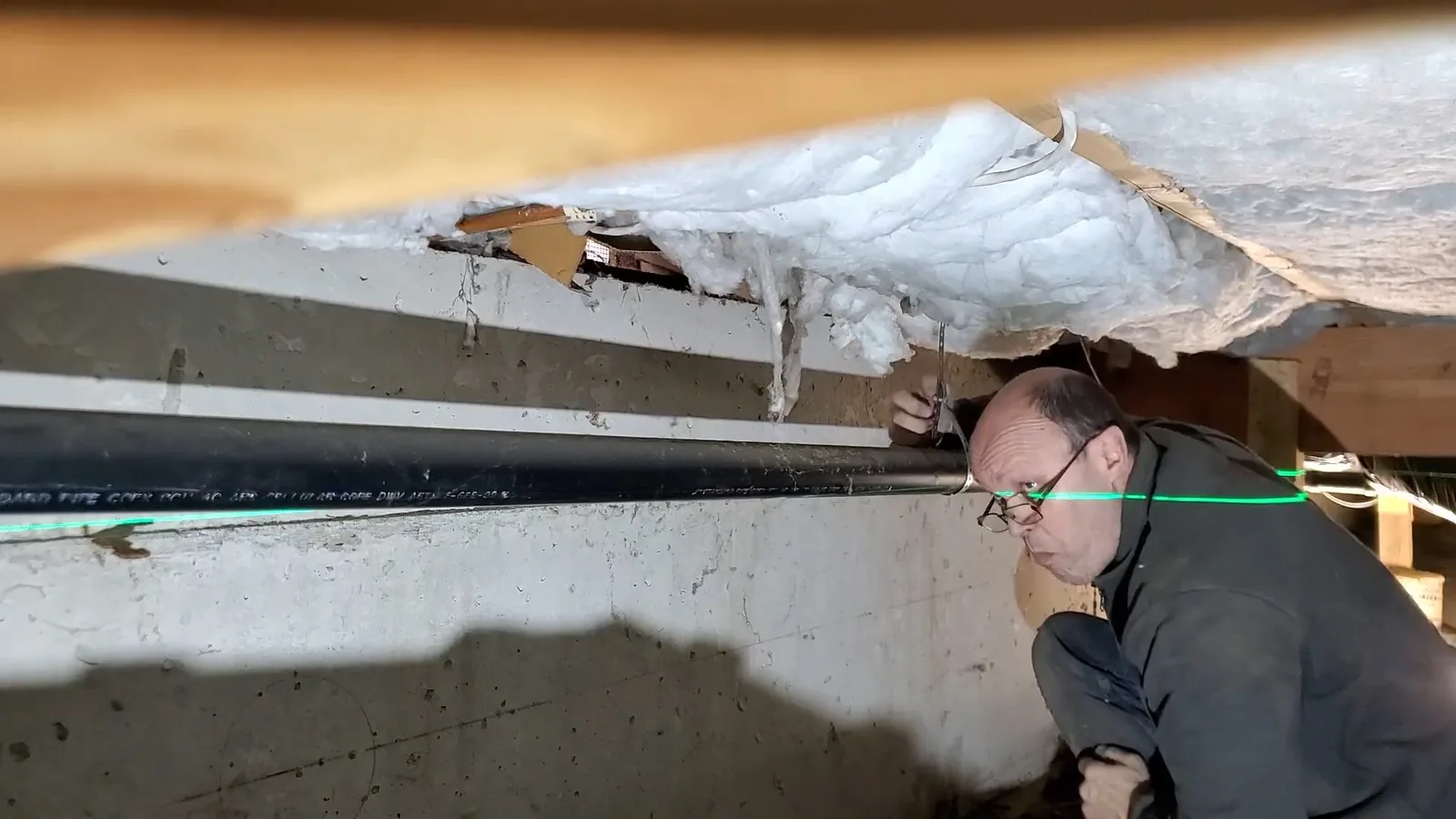
Shut it off, then drain it: the order that limits damage
Work through these in order. Each one reduces what gets wet before the plumber arrives.
- Close the main water shutoff. It is usually where the water line enters the house, near the meter. Turn it clockwise until it stops.
- Open a faucet at the lowest point in the house. This drains the lines and takes pressure off the break.
- Turn off the water heater's power or gas if the pipe that broke feeds it, so the tank does not run dry and overheat.
- Stay out of standing water near outlets, appliances or the panel. Call 911 or the electric utility if water has reached them.
- Photograph the damage and move furniture, rugs and boxes off wet floors.
If the main shutoff will not turn, do not force it with a wrench. An old valve can snap. Tell the plumber on the phone that it is stuck, and ask the city water utility about the valve at the street, which normally belongs to the utility and not to you.
Water still running? Call now and say where it is coming from.
Call (833) 571-0120Frozen but not split: wait, warm or call?
A pipe can freeze solid without breaking. The ice blocks the flow, and the pipe is under strain, but it may still be intact. What you do next matters.
You can try for a short time
- Open the faucet the frozen pipe feeds
- Warm the room and the wall near the pipe
- Check for bulges or cracks as it thaws
Stop and call a plumber
- You see a bulge, split or any water at the pipe
- The frozen section is behind a finished wall
- Only part of the house has lost water and you cannot find the cold spot
- Water starts running when the pipe thaws
Never use a torch or open flame on a pipe. Shut the main before the ice melts if you suspect a crack, because the thaw is when a split starts to spray.
Where pipes usually fail in a cold snap
Freezing pipes follow a pattern. They fail first where the pipe is exposed to cold air and loses heat the fastest.
- Pipes in exterior walls, especially on the north side of the house
- Pipes in unheated crawl spaces, garages and basement corners near vents
- Hose bibs and the short runs behind them
- Pipes under kitchen and bath sinks that sit against outside walls
- Pipes running through attics or soffits
Insulating exposed pipes, disconnecting garden hoses and keeping garage doors closed on hard-freeze nights are the practical steps. On the coldest nights, letting a faucet trickle keeps water moving through the pipe. If the house will be empty, leave the heat on.
Water expands as it freezes, so a pipe usually splits where the ice pushes outward, not at the coldest spot. That is why the break may be some distance from where the freeze began.
What a plumber replaces, and what they check afterward
The repair is usually a short job once the water is off, and frozen pipe repair follows the same steps as any other break. The plumber cuts out the damaged section, fits new pipe and fittings and restores pressure.
What matters just as much is what happens around the break.
- The pipes on either side of the repair, which carry the same stress and may have weakened
- Other exposed runs with the same exposure to cold
- Valves and fittings near the break, and whether they still seal
- Pressure after the repair, with the fixtures running
- Walls, floors and ceilings around the break for hidden moisture
Ask the plumber to show you the failed section and explain why it split. If several pipes in the same area are at risk, that is the time to discuss insulation or rerouting. If the whole system is old and failing in more places, the larger question is repiping the house.
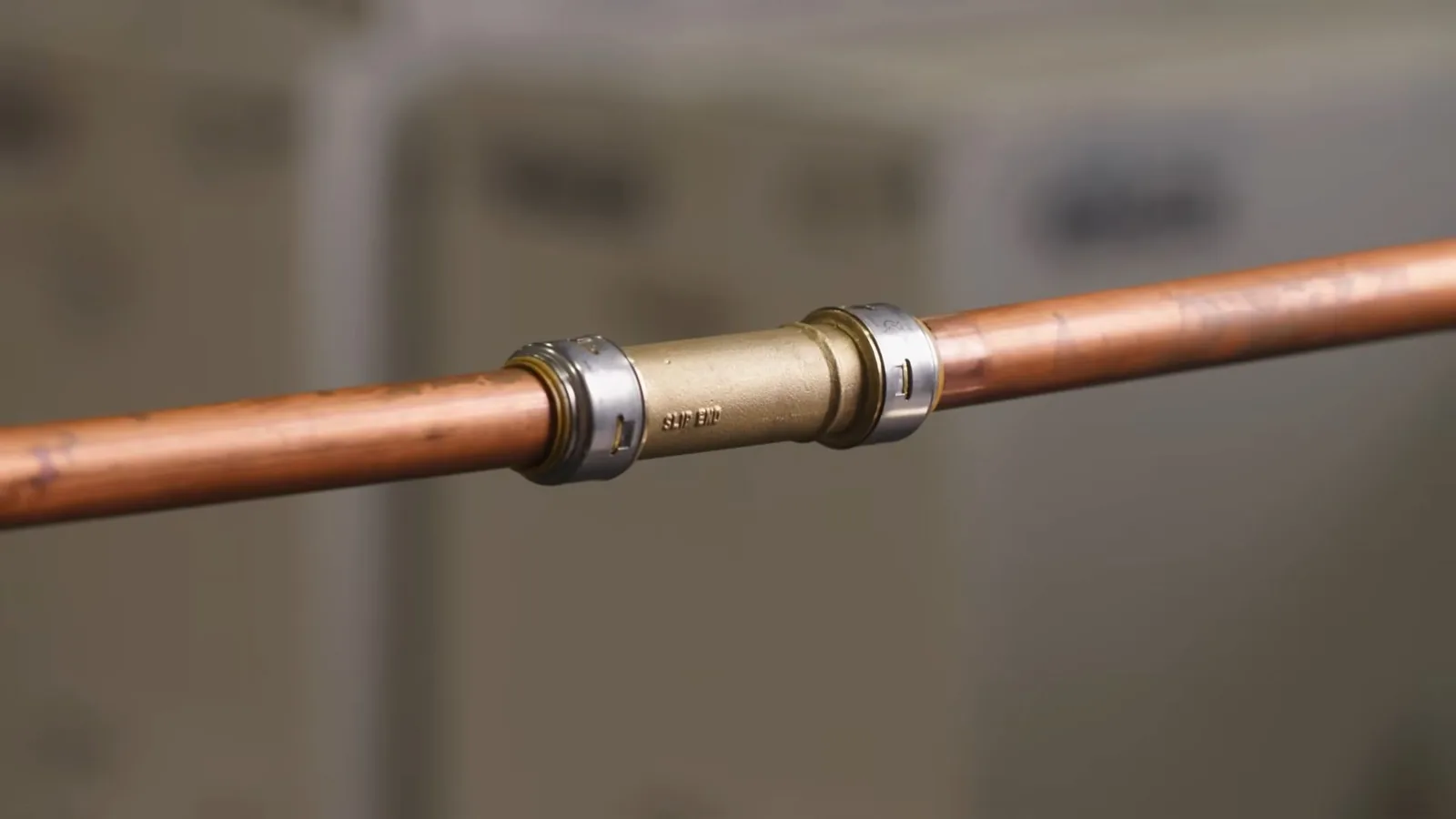
Questions to ask before you approve the repair
The repair itself is usually quick. The questions below tell you whether this was a one-time event or a sign of something larger.
- Where exactly did the pipe fail, and can you show me the damaged section?
- Why did it fail: freezing, corrosion, a loose fitting or high pressure?
- What are you replacing, and with what material?
- Are other pipes in the same area at risk, and what would it take to protect them?
- Does the repair include testing the pressure and checking the surrounding walls?
- What does the work come with, and what do you need from me, such as access, power or a clear floor?
A good answer to the first two questions is the most useful thing you will hear. Pipes that split from a hard freeze on one cold night usually need the repair and better insulation. Pipes that fail from corrosion tend to fail again nearby, and that is the case for a bigger conversation about the whole system.
Water in the walls: when drying matters as much as the pipe
A pipe that has run inside a wall for even a few hours can leave insulation and drywall soaked. Materials that stay wet can grow mold and weaken, so the water needs to come out quickly once the leak is stopped.
Document the damage before anything is moved or removed. Photograph the wet areas, the failed pipe and the water line on the wall, and keep any damaged items until your insurer has seen them. Call your insurance company soon, since many policies have notice requirements.
Removal and drying are done by drying out wet walls, which is a separate service from the plumbing repair. Tell the plumber that a wall is wet so they open it where it helps the drying as well as the repair.
When the leak is slow or hidden: a different job
Not every pipe failure is sudden. A high water bill, a meter that keeps moving or a stain that returns after painting points to a slow leak, not a burst.
That is a search problem more than a repair problem, and it is covered on the leak detection page. A leak under a concrete floor is its own case, covered under a leak that hides under a slab.
If you are not sure whether your problem is sudden or slow, describe what you see to the plumber. The first question will be whether water is running now.
Not sure whether it is a burst or a slow leak? Describe it to a plumber.
Call (833) 571-0120Need burst pipe repair in Valparaiso?
Tell the plumber where the water is coming from, whether the shutoff worked and how far the water has spread. You will get a plan for stopping it and repairing the break, and the price is quoted after diagnosis.