
Sewer line repair · Valparaiso, IN
Sewer Line Repair in Valparaiso, IN: Repeat Backups, Tree Roots and Damaged Lateral Sections
Drains that back up again a few weeks after being cleared are often not a drain problem at all. The line between the house and the street may be cracked, rooted or sagging, and clearing it only buys time.
This page explains how a sewer problem is confirmed, what the repair options are and what to sort out before anyone starts digging in your yard.
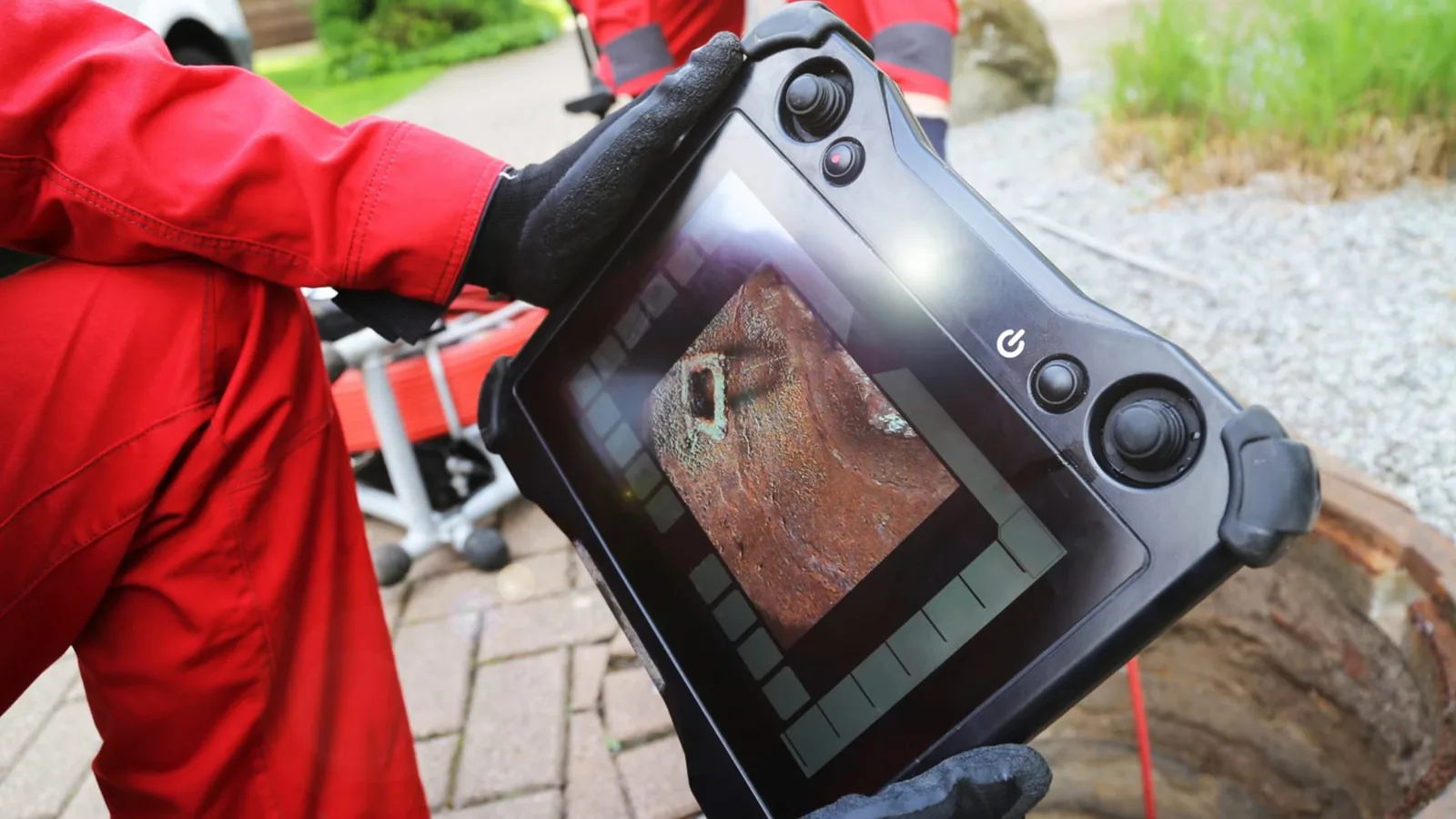
Is it your drain or your sewer line?
Both can look the same from the sink. The sewer line is the single pipe that carries everything out of the house to the street, so when it fails, several fixtures react together.
- A toilet gurgles when the tub or washer drains.
- A basement floor drain backs up during laundry.
- Cabling one drain helps, but the problem is back within weeks.
- A wet spot or sunken patch shows in the yard along the route of the line.
One slow sink is not a sewer problem. If only one fixture is affected, start with clearing a single clogged drain instead. When more than one is involved, or the backup returns, it is time to look at the line itself.
What a sewer camera inspection should show you
A camera on a flexible rod runs from your cleanout or an open drain through the line. It shows the pipe's inside surface, so the repair is based on what is there instead of what might be.
Ask the plumber to bring a camera and to record it. Then look at the footage together while the camera is in the pipe, and ask what each thing on screen is.
- Roots, with the location of the joint they enter
- Cracks, offset joints or a collapsed section
- A low spot or belly where water stays standing
- Scale or grease coating the pipe wall
- The distance from the cleanout to each problem, so the repair area is clear
A camera inspection before any repair also gives you a record. If the problem turns out to be in the city's main or on the street side of the connection, that footage is evidence for the conversation with the utility.
Backups returning? Have a plumber look inside the line.
Call (833) 571-0120Cleaning, spot repair or replacement: how the options differ
What happens next depends on what the camera finds. The choices run from least to most invasive.
| Condition found | Usual response | What to ask |
|---|---|---|
| Grease, roots or debris with the pipe intact | Main-line cleaning with a cable, sometimes followed by jetting | How long should the line stay clear, and what keeps it that way? |
| One cracked or offset section | Spot repair at that section | Where is it, how deep and how large is the dig? |
| Long runs of damage or a collapsed pipe | Replacing the damaged length | What is the route, and what does it cross? |
| Damage but a mostly continuous pipe | A no-dig method, if the pipe allows it | Is lining possible here, and how does it compare with digging? |
If the line is damaged along a long run and the yard or driveway is a concern, ask about the no-dig route on the trenchless sewer repair page. It covers when lining works and when it does not.
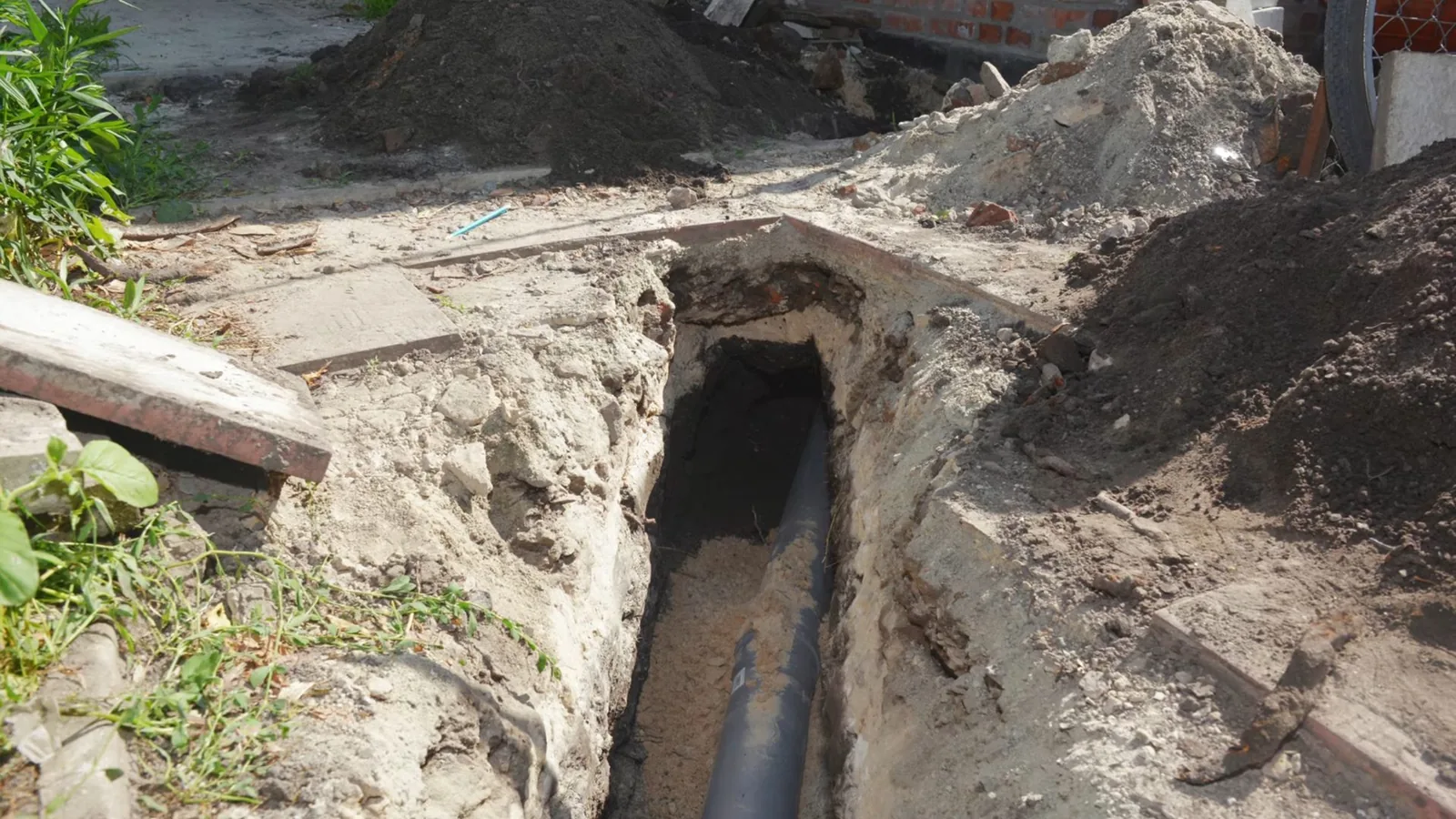
Roots, bellies and breaks: reading the likely cause
Knowing why a line failed tells you whether the fix will last.
Roots get in where a joint has loosened or cracked. Cutting them clears the line, but they return to the same opening until the joint is repaired.
A belly is a sag in the pipe where waste settles. It does not cut off flow completely, so the line works until the buildup closes it. The fix is to correct the grade, not to keep cleaning.
Breaks and offsets come from ground movement, heavy loads over the line or old, brittle pipe. Several of these in a row point toward replacing a length instead of patching.
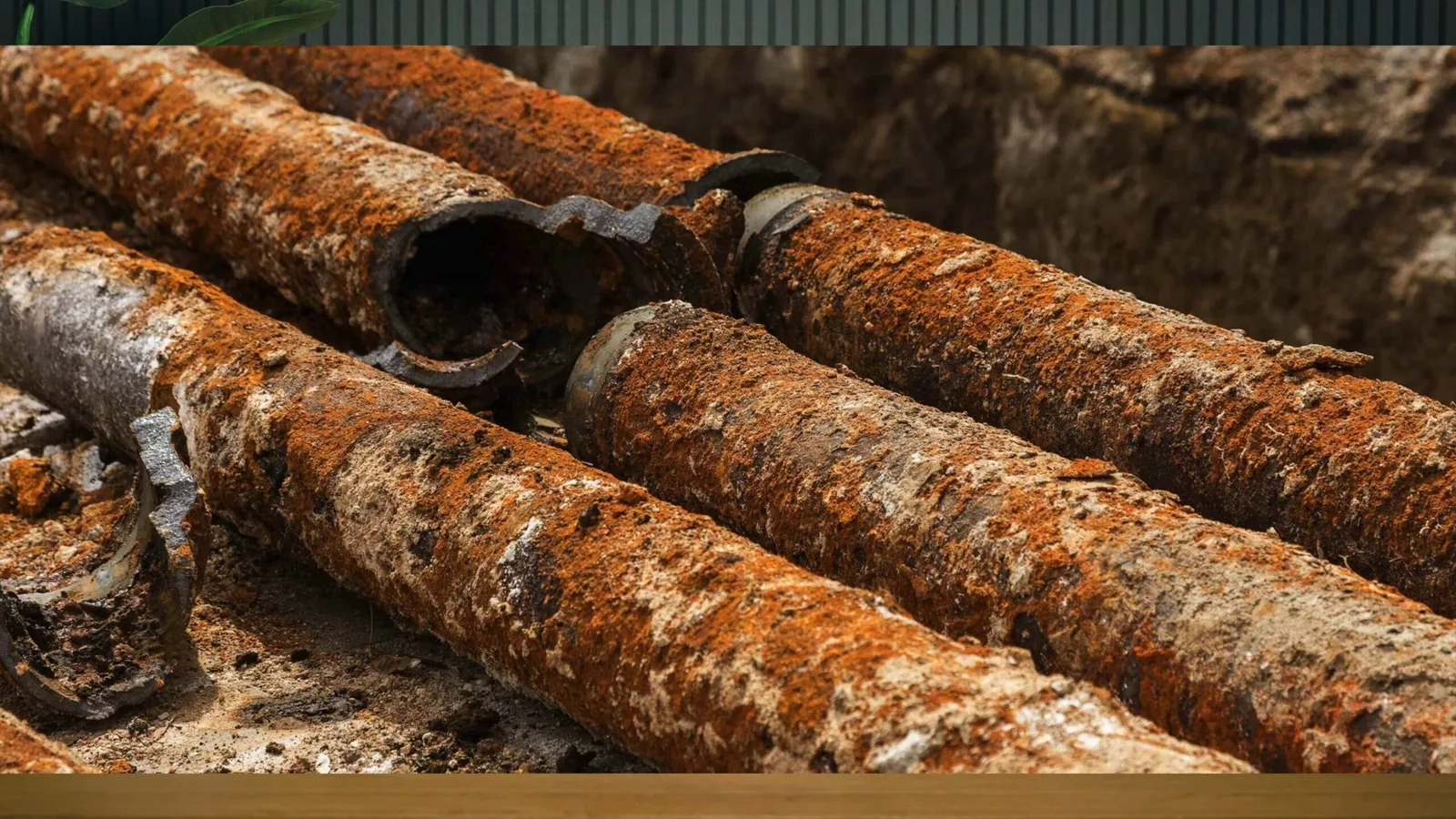
Old clay and cast iron pipes are more likely to crack or flake than newer plastic. If the plumber says what material your line is, ask how they know.
Before anything gets dug: 811, permits and the city's side
Digging brings requirements that have nothing to do with plumbing skill. Sort them out first so the work is not stopped halfway.
- Indiana 811. Indiana law requires anyone who digs to contact Indiana 811 at least two full working days before starting. The call brings utility locators to mark buried lines.
- Permits. Permit rules are set locally, and Indiana plumbing rules require a contractor to pull one wherever a local ordinance calls for it. Ask the building department that covers your address, and ask the plumber who pulls it.
- Who owns which part. Ask City of Valparaiso utilities which section of the lateral belongs to you. The answer decides whether the repair is yours or a matter to report to the city.
Do not start excavation before locators have marked the yard. Hitting a gas or electric line is the one mistake that turns a sewer repair into an emergency.
Questions to ask before you approve sewer work
Sewer repairs are among the larger jobs a household faces, so a clear scope matters more here than almost anywhere else in plumbing.
- What did the camera show, and can I see the footage with the marked locations?
- Is the damage in my section of the lateral, or does it reach the city's connection?
- Which options fit this damage, and why is the one you recommend the right size of job?
- What will be dug, what will be crossed and how will the yard or driveway be restored?
- Who handles the Indiana 811 call and the permit, and when?
- What does the repair come with, and what does that cover?
Prices are quoted after diagnosis, once the camera work is done, so the figure reflects the actual damage. A quote given before anyone has looked in the pipe is a guess, and sewer work is where a guess goes wrong most expensively.
Larger and commercial sewer lines
Sewer lines serving a small shop, a restaurant or a multi-unit building carry more flow and often more grease or solids. The same steps apply, with more attention to access and to keeping the business running.
Tell the plumber what the line serves and whether a cleanout is accessible. A commercial line that backs up affects tenants and customers, so say so on the call.
When sewage is already in the house
If sewage has backed into a tub, a basement or a floor drain, the first job is to stop using water. Keep children and pets out of the area and avoid touching the water.
The plumber will clear or repair the line. The cleanup of affected flooring and walls is a separate job, handled by flood and backup cleanup. Photograph the damage before anything is moved, and keep the camera footage from the inspection.
Sewage backing up now? Call and tell the plumber what is affected.
Call (833) 571-0120Need sewer line repair in Valparaiso?
Tell the plumber which fixtures back up, how often and whether it has happened before. You will get a plan that starts with a camera look, and the price is quoted after diagnosis.