
Drain cleaning · Valparaiso, IN
Drain Cleaning Services in Valparaiso, IN: Slow Sinks, Floor Drains and Clogs That Keep Returning
The kitchen sink holds standing water, the shower drains slowly or a basement floor drain gurgles when the washer runs. Where the slowdown shows up tells you most of what you need to know about where the clog is.
This page walks through how to read that, what is safe to try yourself, what a plumber should do instead of just pushing the clog along, and which backups need a call right away.
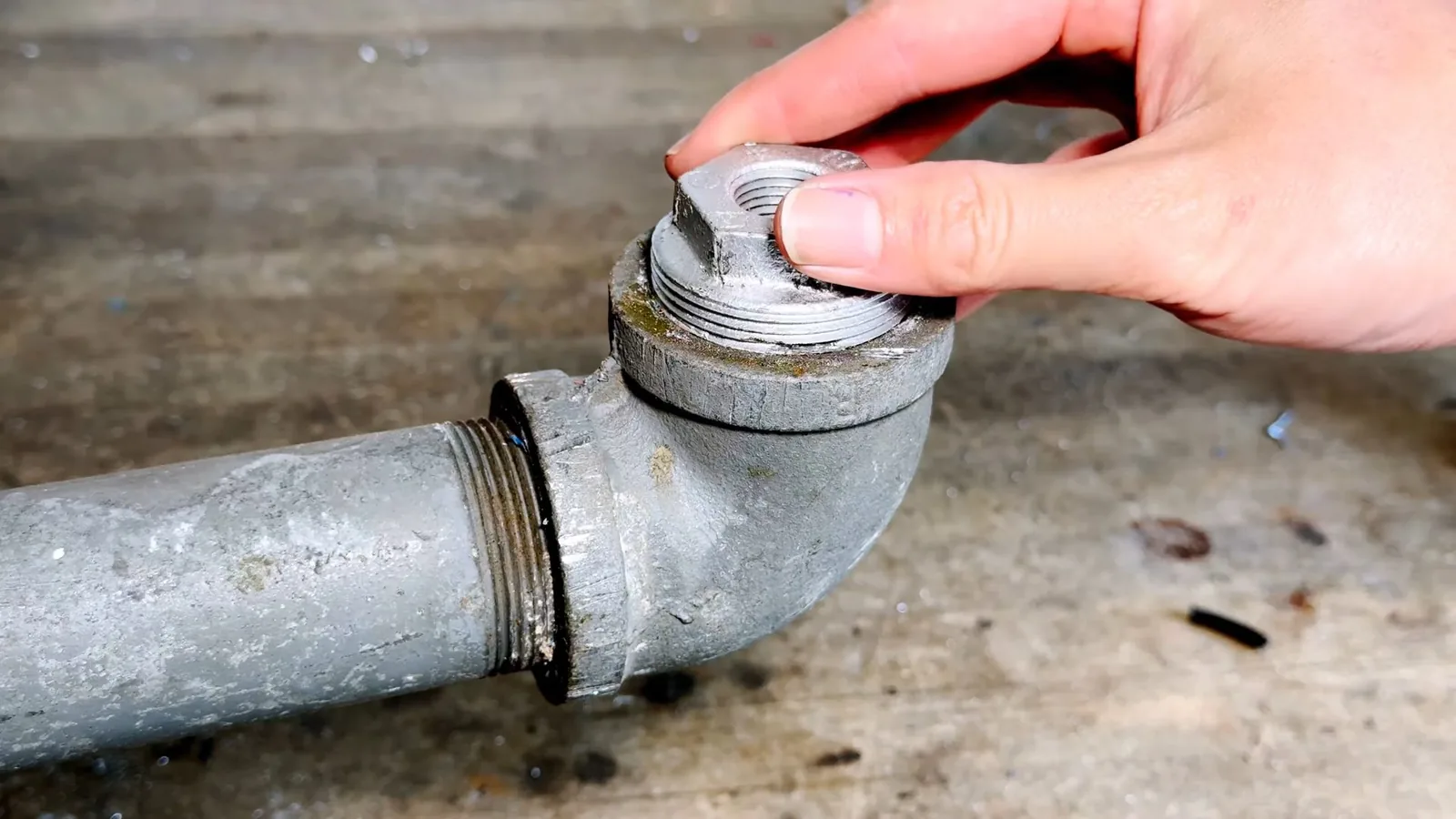
One drain or every drain: where the clog is
Start with a simple test. Run water in the sink, flush the toilet and run the shower, then watch what else changes. The pattern points to the location of the blockage.
| What you see | Where the clog likely is | What it usually needs |
|---|---|---|
| One sink or tub drains slowly, the rest are fine | In that fixture's own drain or trap | Clearing that single line, often from the fixture |
| Two or three fixtures on the same floor back up together | In a shared branch line | Cabling the branch, then a camera look |
| Toilet gurgles when the tub drains, or a floor drain bubbles | In the main drain or the sewer line | Clearing the main from a cleanout |
| Basement floor drain backs up when you do laundry | In the main drain, or the sewer line beyond the house | Main-line cleaning and a camera inspection |
If every fixture is slow at once, treat it as a main line problem and call. Cabling one sink will not fix that, and waiting lets sewage find the lowest drain in the house.
What clears a kitchen sink and what only makes it worse
Kitchen drains clog with grease, food and soap that cool and stick to the pipe wall. The sink drains a little slower every month until one day it stops. These are safe things to try first.
- Remove the drain stopper and clear any hair or food from the opening.
- Use a plain plunger with enough water in the sink to cover the cup, and keep the other side of a double sink blocked with a wet rag.
- Put a bucket under the P-trap, unscrew the slip nuts by hand and clean out the trap if you are comfortable doing it.
Hold off on chemical drain openers. They rarely clear a greasy line completely, and they leave caustic liquid sitting in the pipe that can burn skin when a plumber opens it. If you have already used one, tell the plumber on the phone.
If water backs up into the other side of a double sink or the dishwasher fills with sink water, the clog is past the trap. That is cable work.
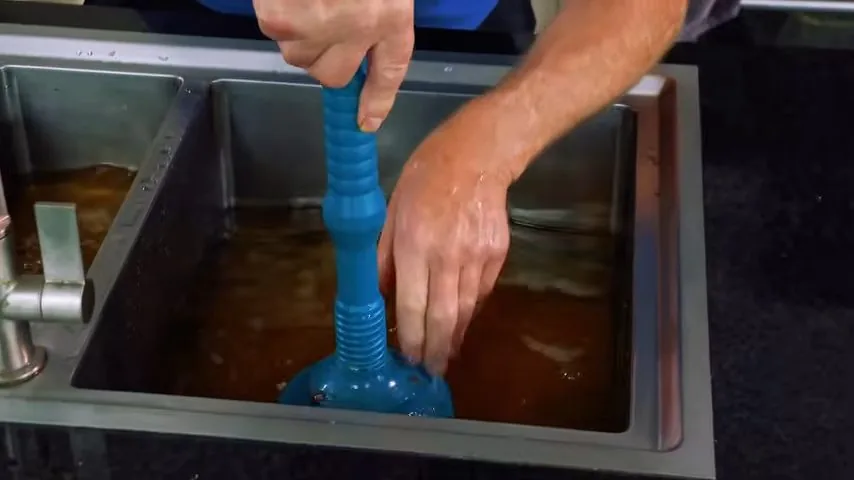
Sink still full after the plunger? Talk to a plumber about clearing it.
Call (833) 571-0120Floor drain and basement backups: when to stop and call
A basement floor drain that bubbles, smells or rises is connected to the main drain. It is the lowest opening in the house, so it is the first place a blocked main shows up.
Stop running water the moment it starts. Every load of laundry, shower or flush sends more water into a line that has nowhere to go. If the water rising is gray or has an odor, it is sewage, and the area needs to be kept clear of children and pets until it is cleaned.
Stop and call now
- Water rising in a floor drain or tub
- Multiple fixtures backing up together
- A sewage smell with standing water
- Backups after every heavy rain or laundry day
Safe to schedule
- One bathroom sink slow for weeks
- A shower drain that clears with hair removal
- A slow tub with no other symptoms
If a backup has already soaked flooring or drywall, our removal and drying service handles removal and drying once the line is clear.
Cable, camera or jetting: what a plumber should do about the clog
Clearing a clog is half the job. The other half is learning why it formed. A plumber who only pushes the clog down the line has bought you a few weeks.
A motorized cable cuts through grease, roots and hair and restores flow in most drains. It is the right first step for a single clogged line.
A drain camera shows what the cable cannot: a belly where water pools, a cracked section, roots entering at a joint or a build-up of scale. Ask for the camera when a drain has clogged more than once or when the clog was deep in the line.
When grease or scale coats the whole pipe wall, a cable only bores a hole through it. That is the point to ask whether high-pressure jetting belongs in the plan, which scours the wall clean instead.
Clogs that keep coming back
A drain that clogs again within weeks is telling you something. These are the common reasons, and the plumber's job is to name which one you have.
- Grease and scale on the pipe wall: the clog returns as soon as new waste catches on the rough surface.
- Tree roots in a joint: roots grow back into the same crack after a cable cuts them.
- A low spot or belly: waste settles where the pipe sags and builds up again.
- A damaged or collapsed section: the cable passes but the pipe is already failing.
If the camera shows damage in the line between the house and the street, the conversation moves to repairing the sewer lateral, which is a different page and a different decision. Drain-level clogs stay here. Main-line replacement does not.
Storm drains, yard drains and kitchen grease lines
Not every blocked drain is inside the house. Yard and driveway drains, French drains and window-well drains clog with leaves, silt and roots. Water that stays in a window well after a storm, or a yard drain that overflows onto the lawn, is a drain problem even though no sink is involved.
Small restaurants and commercial kitchens add their own version: grease collects in the line from the dishwashing sink and the floor drains. Those lines need regular cleaning on a schedule the kitchen sets, and a grease trap that is emptied before it overflows.
Tell the plumber where the drain is and what drains into it. A yard drain is cleared and flushed differently from a sink line, and the first question on the phone is where the water pools.
When the backup is the city's line, not yours
Sometimes the blockage is out in the street. A clue is when neighbors report backups at the same time, or when the house line is clear and the problem persists.
Ask the City of Valparaiso utilities which section of the sewer lateral belongs to you, and report a suspected problem in the main to the city. A camera look from your cleanout can show which side the blockage is on before anyone starts digging. If digging does become necessary, Indiana law requires a call to Indiana 811 at least two full working days before the work begins.
Need drain cleaning in Valparaiso?
Tell the plumber which drains are slow, whether the rest of the house is affected and whether water is rising anywhere. You will get a straight read on how to clear it, and the price is quoted after diagnosis.