
Slab leak repair · Valparaiso, IN
Slab Leak Detection and Repair in Valparaiso, IN: Pinpointing Leaks Under the Floor Before Anything Is Opened
A hot spot on the floor, the sound of water with every tap off or a meter that spins when nobody is home can mean a supply line is leaking under concrete. Under-floor leaks do slow damage, and the first job is finding exactly where, so the opening is small.
This page also deals with a question many Valparaiso homeowners have: does my house even have a slab? Many homes here have basements, and the answer decides whether this page applies to you at all.
Does your house have a slab at all?
A slab leak is a leak in a pipe that runs in or under a concrete floor. In many parts of the country that means the whole house. Many homes around Valparaiso have basements, and in those the main supply lines usually run overhead in the basement ceiling, where leaks are far easier to reach.
Slab floors still exist here, though. Look for them in these places.
- A garage, mudroom or addition built on a poured floor
- A newer home or one built without a basement
- A basement floor where a bathroom, laundry or kitchen line is buried in the concrete
- A finished area that sits on a concrete floor over a crawl space or fill
If you are unsure what is under your floors, tell the plumber when the house was built and what the lowest level looks like. They can tell you whether lines run through the floor. Ground conditions and slab design vary, and this page does not claim details it cannot source for your address.
Signs a line is leaking under the floor
Slab leaks show up in a handful of ways. Several together are a strong signal.
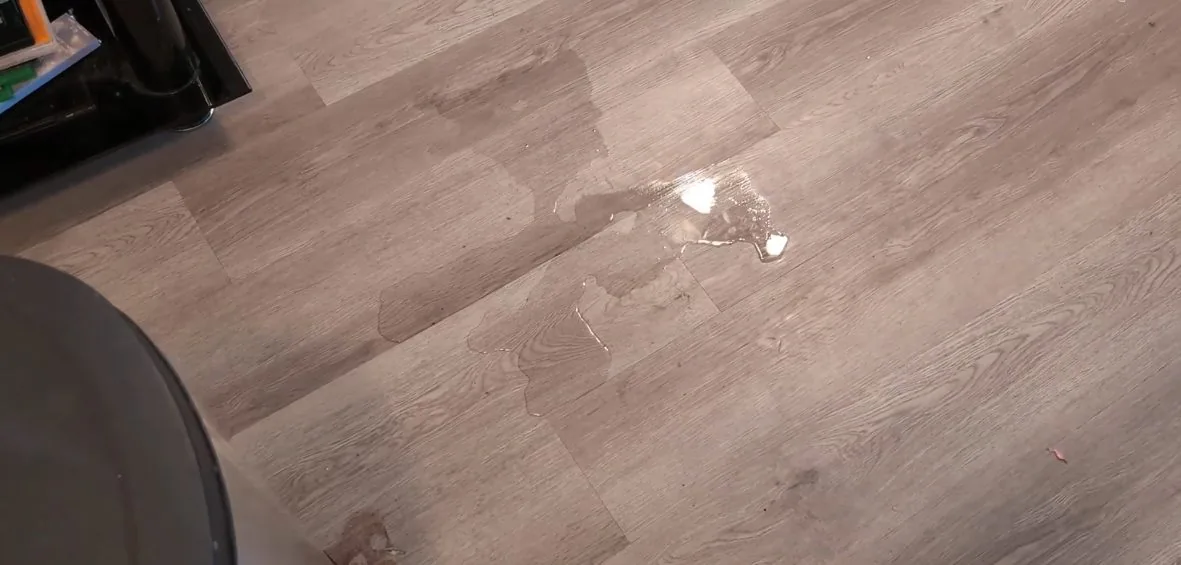
- A warm or hot spot on a floor that is not near a heater, which can mean a hot water line is leaking beneath it
- The sound of running water when every fixture is off
- A water meter that keeps moving with everything off
- Damp or lifting carpet, baseboards or floor coverings
- Cracks in tile or grout that follow a line
- A sudden rise in the water bill
- A musty smell with no visible source
Start with the meter test. Shut off every fixture, read the meter, wait fifteen minutes and read it again. If it moved, water is leaving. Finding hidden leaks explains the full test and how to tell an under-floor leak from one in the yard.
Warm floor or a meter that will not stop? Describe it to a plumber.
Call (833) 571-0120How a slab leak is located before the floor is touched
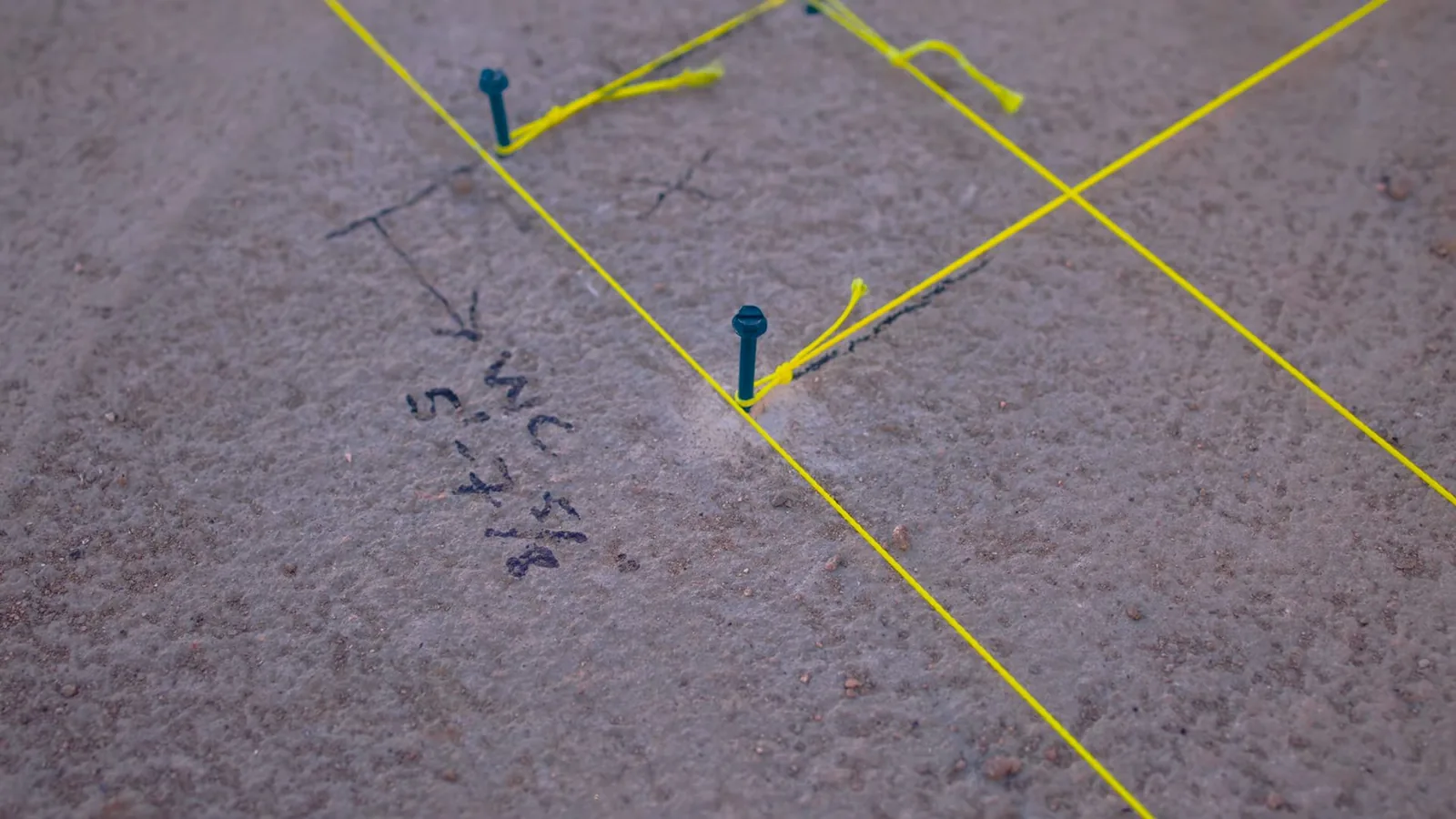
The aim is a spot on the floor, marked in tape, accurate to a small patch. That keeps the opening small, and it is why the plumber should locate before cutting.
| Method | What it finds | Limit |
|---|---|---|
| Acoustic listening | The sound of water escaping from a pressurized line | Background noise can mask it |
| Thermal imaging | A warm trail where a hot water line leaks | Only works on hot lines, with enough heat difference |
| Pressure testing | Which branch of the system loses pressure | Narrows to a section, not an exact point |
| Line tracing | The path of the pipe under the concrete | Needed to know where to read the other results |
A plumber should show you what each method found. Two methods that agree on one spot are worth much more than one that points somewhere vague.
Repair, reroute or replace: what the options look like
Once the leak is located, the choice depends on the pipe, the floor and how much of the line is affected.
| Option | What it involves | Usually considered when |
|---|---|---|
| Spot repair through the slab | Cutting a small opening, repairing the pipe, patching the concrete | One clear leak on an accessible line |
| Rerouting the line | Abandoning the floor section and running a new line overhead or through walls | The line is failing in more than one place, or the floor cannot be opened |
| No-dig lining or replacement | Working from existing openings to renew a section | The path is clear and the pipe suits it |
| Replacing the system | New supply lines throughout | Failures keep appearing across the system |
Rerouting is the same job covered under the no-dig rerouting method, because the two share equipment and skills. When failures keep appearing in many places, the broader question is overhead rerouting or new lines for the whole house.
Why under-floor leaks cannot wait
Water under a floor does not stay put. It can wash soil out from beneath a slab, which weakens support for the floor and, over a long time, the foundation. It can also lift flooring and feed mold in the layers above. A leak that has run for months can leave a void that has to be dealt with before the pipe is.
If a hot water line is the source, the water heater also runs more than it should, which is why the gas bill climbs along with the water bill. Do not ignore a warm floor.
If water has already reached carpet, baseboards or walls, drying after a slab leak is a separate job that should start as soon as the pipe is stopped.
Insurance, records and commercial buildings
Many insurance policies treat leaks under a slab differently from sudden pipe bursts. Read your policy and call the insurer early. Keep the locate report, the photos and the repair invoice, because they support a claim. A plumber cannot promise what a policy will pay.
In a shop, a warehouse or a multi-unit building, slab leaks reach neighbors and tenants. Tell the plumber who shares the floor and the water meter, and expect a plan for access and notice before work begins.
Slab cutting checklist: leak method, opening size, floor patch
Concrete work is hard to undo. These questions help you confirm the plan before it starts.
- Which methods located the leak, and where is it marked?
- How large an opening are you planning, and how will the floor be patched?
- Is rerouting an option here, and what does it involve?
- What happens to flooring, cabinets or furniture over the leak?
- Who pulls the permit, if one applies, and when does the repair get tested?
Permit rules are set locally. Indiana plumbing rules require a contractor to obtain a permit wherever a local ordinance calls for one, so ask the building department that covers your address. Prices are quoted after the leak is located, so the figure matches the actual work.
Suspect a leak under the floor? Call and tell a plumber what you have noticed.
Call (833) 571-0120Need slab leak repair in Valparaiso?
Tell the plumber what you notice, what the meter did and what type of floor sits over the area. You will get a plan for locating the leak, and the price is quoted after diagnosis.