
Water softeners · Valparaiso, IN
Water Softener Installation and Repair in Valparaiso, IN: Hard Water Scale, Whole-Home Filters and Service
White crust on faucets, spotted glasses, a water heater that rumbles and soap that will not lather are the marks of hard water. Valparaiso's tap water comes out of the ground, and groundwater carries dissolved minerals that leave scale behind wherever water is heated or dries.
This page covers how to find out how hard your water is, what a softener does and does not do, how it differs from a filter, what installation involves and what breaks, so you choose a system for the water you have, not one a salesperson sized from a guess.
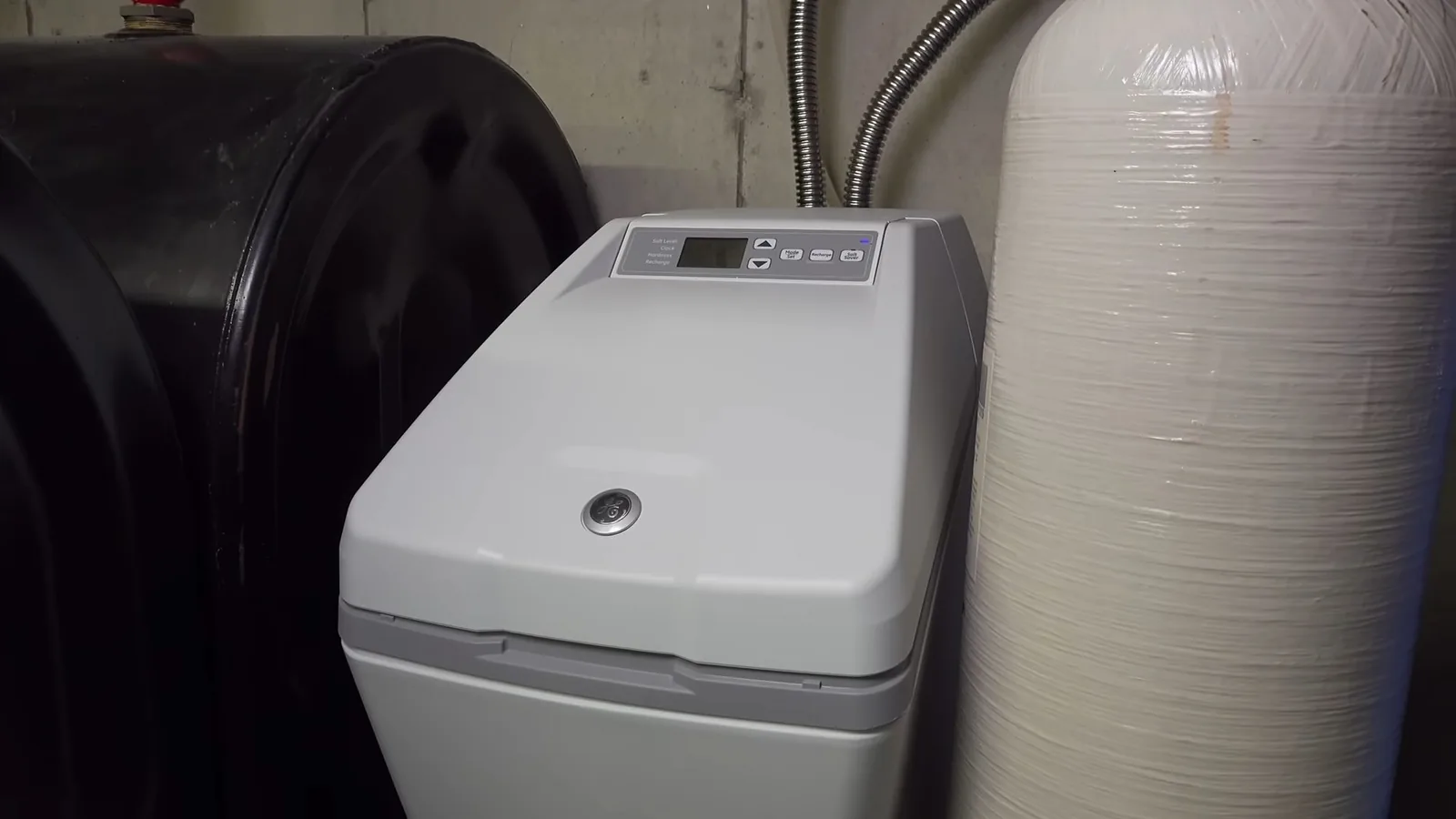
Know your water before you pick a system
Valparaiso's tap water comes from 16 groundwater wells in three wellfields, according to the Indiana Department of Environmental Management. Water pulled from the ground picks up calcium and magnesium on the way, and that is what hardness measures.
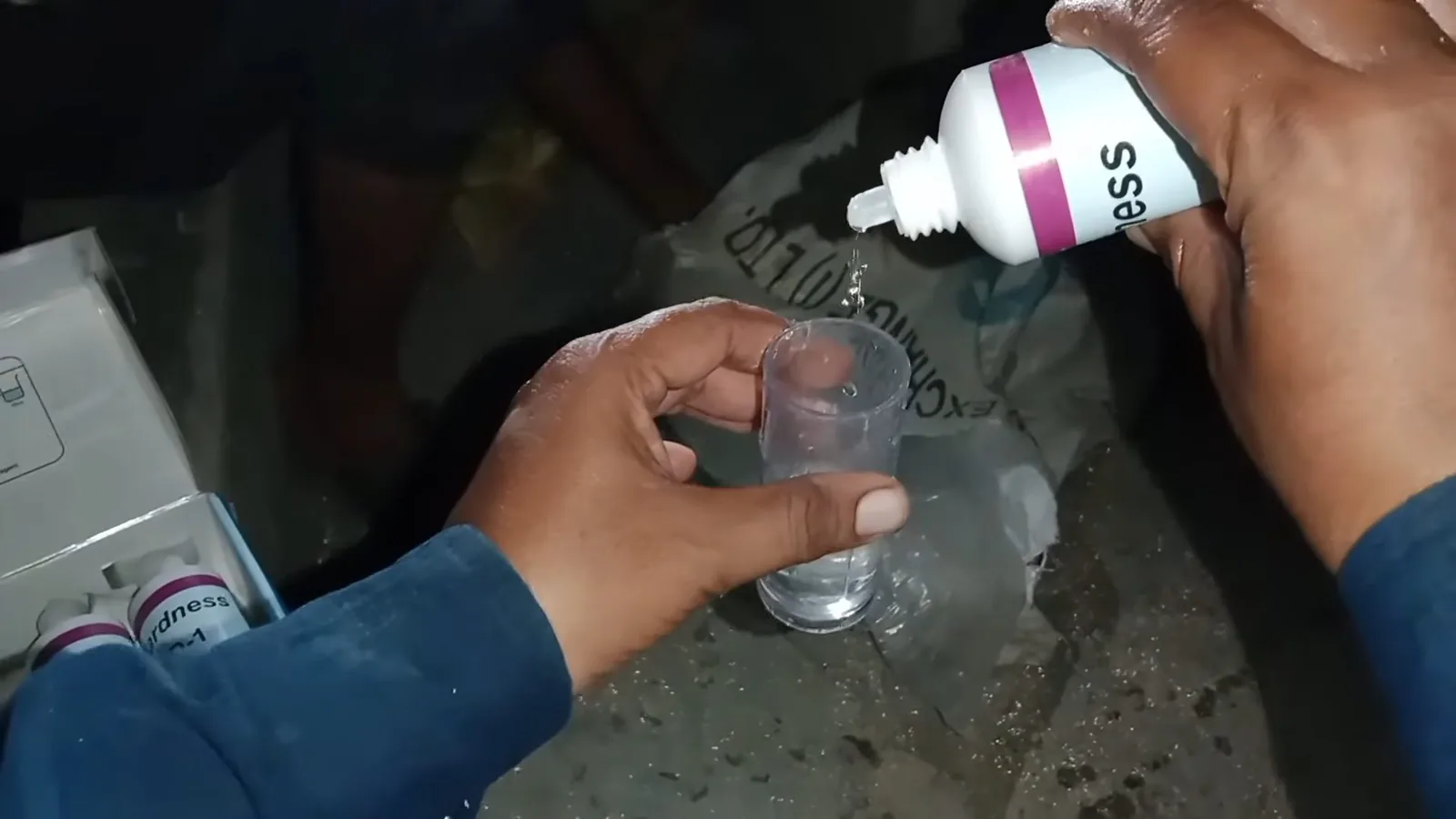
This site does not print a hardness number for your address, because the one on record is a secondary figure and not one the utility has confirmed. Get it two ways.
- Ask the City of Valparaiso water utility for the hardness at your address, or for its latest water quality report.
- Test it yourself with a strip kit or have a plumber measure it at the tap, since a home on a private well can differ from a home on the city system.
The number matters because it sets the size of the system and how often it must regenerate. A system sized from a guess is either too big and wastes salt, or too small and leaves scale behind.
Signs of hard water in the house
Hard water leaves marks you can see and effects you can feel. Several together are a clear signal.
- White or chalky crust on faucets, showerheads and kettles
- Spotted dishes and glasses straight from the dishwasher
- Soap and shampoo that rinse poorly, and dry skin after showers
- Laundry that feels stiff and fades early
- A water heater that rumbles and runs short of hot water
- Pipes that lose flow over years as scale narrows them
Scale builds inside a tank water heater as sediment, which is why the first place many homeowners notice it is the heater. A tank in hard water often needs the repair described under sediment in the tank, and a new tank lasts longer with treated water.
What a softener does and what a filter does
The two are often sold together and are often confused. They treat different problems.
| Water softener | Whole-home filter | |
|---|---|---|
| What it targets | Calcium and magnesium, the minerals that cause scale | Sediment, chlorine taste and odor, and certain contaminants depending on the media |
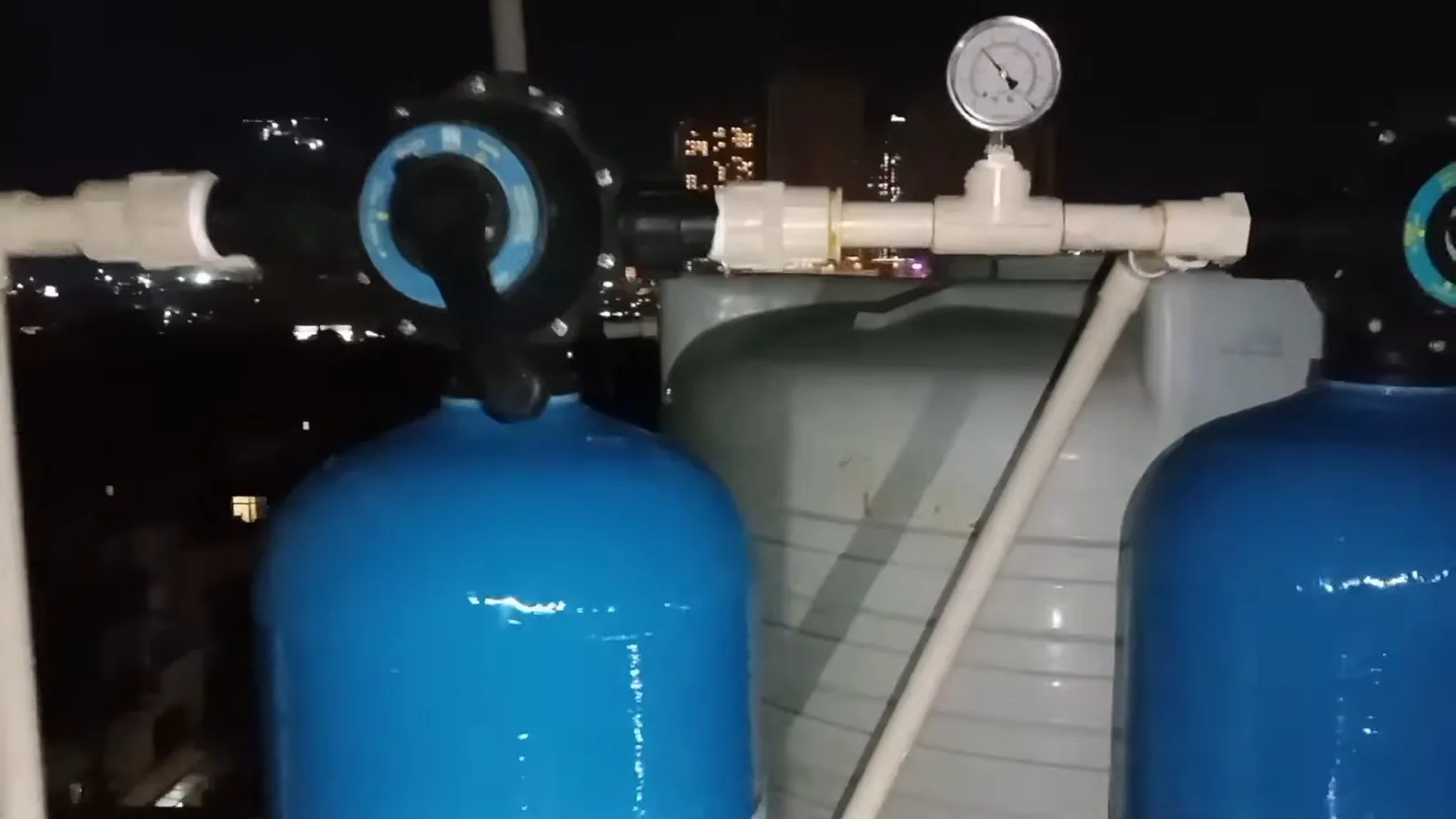
| How it works | Resin beads swap hardness minerals for sodium or potassium and are cleaned with brine | Water passes through media or a cartridge that traps particles or adsorbs chemicals |
| What it maintains | A salt supply and a regeneration cycle | Cartridge or media replacement on a schedule |
| What it will not do | Remove sediment, chlorine or most contaminants | Soften the water |
If your goal is less scale, you want a softener. If your goal is clearer or better-tasting water, you want a filter. If you want both, they are installed in sequence, with the filter first to protect the softener from sediment.
Not sure whether you need a softener, a filter or both? Describe your water to a plumber.
Call (833) 571-0120What installation involves
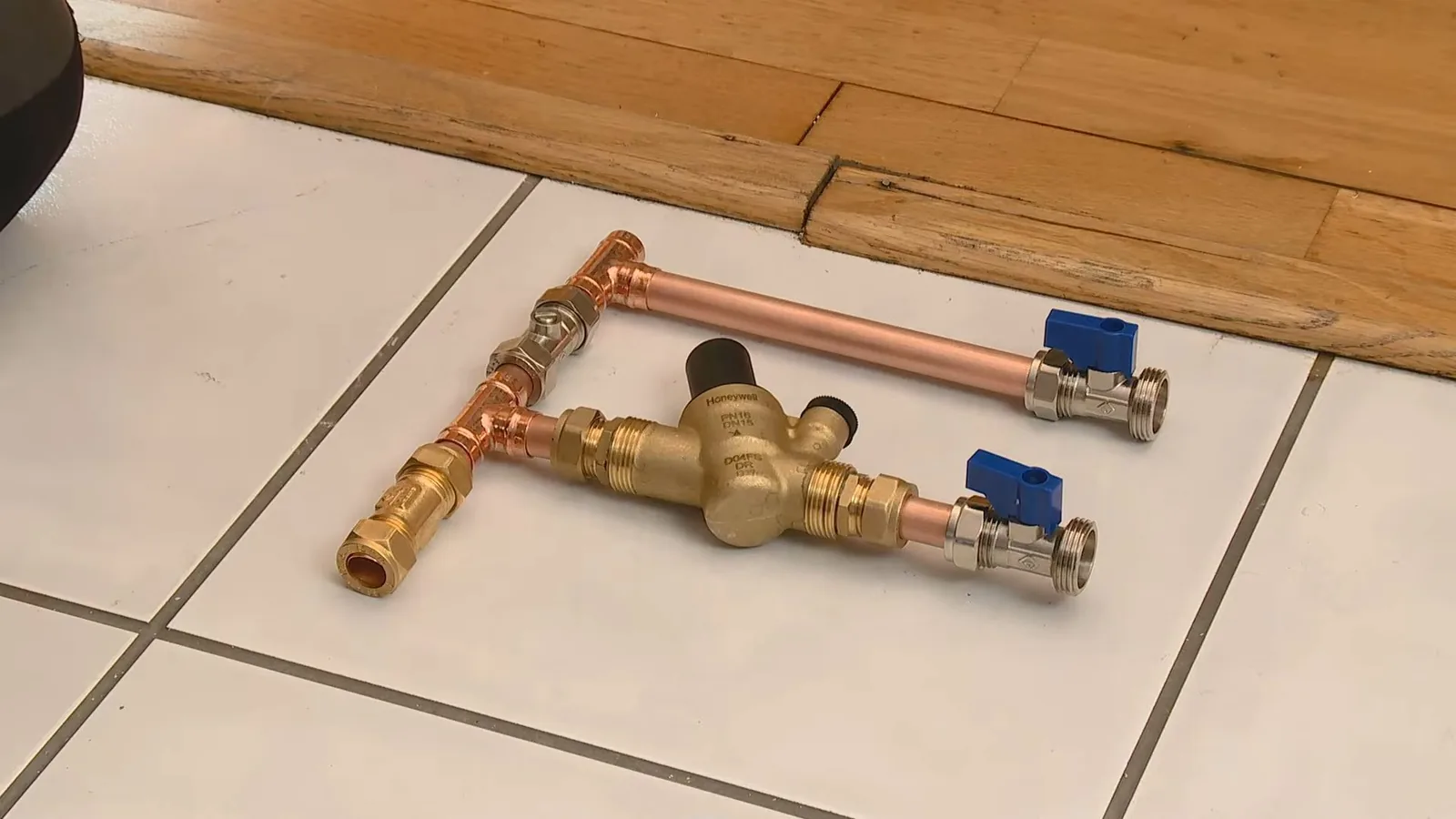
A softener installs on the main water line, usually near the water heater, so every tap and appliance gets treated water. The plumber looks at the space, the drain, the power and the layout before recommending a model.
- Space: room for the resin tank and a separate brine tank with access to refill salt.
- Bypass valve: lets you isolate the unit for service without shutting off the house.
- Drain: the regeneration cycle sends brine to a drain, which needs an air gap and a proper connection.
- Power: an outlet for the control head.
- Outdoor taps: usually left on untreated water, since lawns and cars do not need softening.
Where the discharge goes is a local question. Ask the City of Valparaiso utilities and the building department what is allowed at your address before the plumber ties into a drain. Permit rules are also local, and Indiana plumbing rules require a contractor to obtain a permit wherever an ordinance calls for one.
Sizing, salt and ongoing costs of ownership
Size depends on how hard the water is, how many people live in the house and how much water they use. The plumber multiplies these into a daily load, then picks a unit that regenerates on a sensible schedule.
Running a softener means keeping salt in the brine tank. Some units use potassium instead, which suits people who want to avoid sodium. Ask how often the system regenerates, how much salt it uses and how to adjust it as hardness changes with the seasons.
Ask also about a softener with a demand-based control head, which regenerates by actual use and not by the calendar, since it wastes less salt and water.
Common softener problems and what to check
Softeners are simple, and most problems come from salt, power or the drain. Check these before you call.
| What you notice | Common cause | What gets checked |
|---|---|---|
| Hard water is back | No salt, a salt bridge or a stuck regeneration | The brine tank, the control head and the timing |
| Salt mound that will not dissolve | A bridge in the salt or mush at the bottom | Breaking the bridge and cleaning the tank |
| Water has a salty taste | A bypass issue or a drain problem | The valve settings and the drain flow |
| The unit runs constantly | A control head fault or low pressure | The valve, the motor and the settings |
| Rust stains or iron in the water | Iron beyond what the resin handles | A test for iron and possibly a different filter |
If a softener has failed completely, ask whether repair or replacement makes sense, based on the age of the unit and the cost of parts.
Protecting appliances and fixtures once the water is treated
Softened water protects heating elements, dishwashers, faucets and washing machines from scale. The benefit is most visible in a water heater, which is why homeowners who install a softener often see fewer heater problems. If you are choosing a new heater, a new tank in hard water explains how treatment affects the life of the unit.
Tankless units are even more sensitive, since scale chokes their narrow passages. See scale in a tankless unit for how treatment and descaling fit together.
Softened water does not undo existing scale. Old pipes and appliances may need cleaning or replacement, and that is a separate conversation.
Softener sales questions: hardness, sizing, regeneration, discharge
Water treatment is sold hard, so a few questions protect you.
- What is my water's hardness, and who measured it?
- How did you size this unit, and how often will it regenerate?
- Where does the discharge go, and is that allowed here?
- What does maintenance involve, and what do I buy and when?
- What does the installation include, and what does the system come with, in writing?
Prices are quoted after the plumber has seen the space and the water, because a figure given before anyone has tested the water is a guess.
Thinking about a softener or filter? Call and tell a plumber what you notice in your water.
Call (833) 571-0120Need a water softener in Valparaiso?
Tell the plumber what you see at the faucets, what the utility told you about hardness and whether you also want a filter. You will get a plan sized to your water, and the price is quoted after diagnosis.