
Trenchless sewer repair · Valparaiso, IN
Trenchless Pipe Lining and Relining in Valparaiso, IN: Repairing a Sewer Line With Less Digging
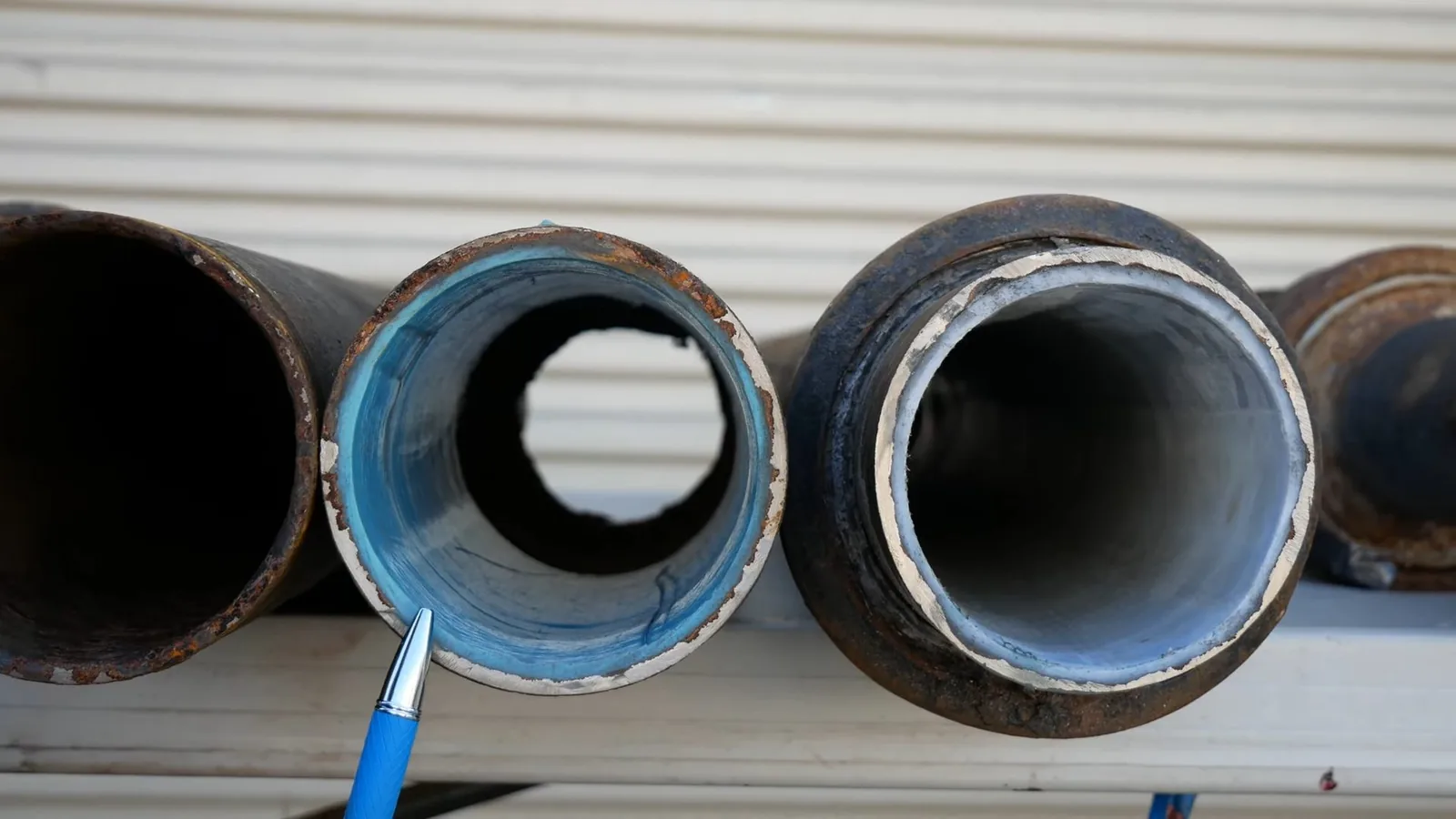
Trenchless repair fixes a damaged sewer pipe from the inside, through an existing opening, so the yard, driveway and landscaping stay mostly where they are. It is not right for every pipe, and an honest plumber will tell you when digging is the better answer.
This page compares lining with open-trench repair, explains how a liner is installed, lists what has to be true of your pipe for lining to work and covers what to ask before you agree to either method.
Trenchless or open trench: how the two methods compare
The method follows the pipe's condition, not a preference. This table lays out the real differences.
| Trenchless lining | Open-trench repair | |
|---|---|---|
| Digging | Small access pits at each end, sometimes only a cleanout | A trench along the full length being replaced |
| Yard and driveway | Mostly left in place | Cut, dug and restored afterward |
| Best when | The pipe is mostly continuous with cracks, roots or leaking joints | The pipe is collapsed, badly offset or sagging |
| Limit | Needs a clear, round path for the liner | Disruption to landscaping, paving and utilities |
| Result | A new pipe lining inside the old one | A new pipe in a new trench |
If your pipe is sunk, collapsed or has a belly, lining does not fix the shape. That pipe needs digging, covered under when the line needs spot digging, and the camera look decides which.
How a pipe liner goes in
The process is the same in outline whatever brand is used. Ask the crew to walk you through it.
- The pipe is cleaned so the liner can bond to bare pipe wall, often with cleaning the line before lining.
- A camera confirms the path and marks the damage.
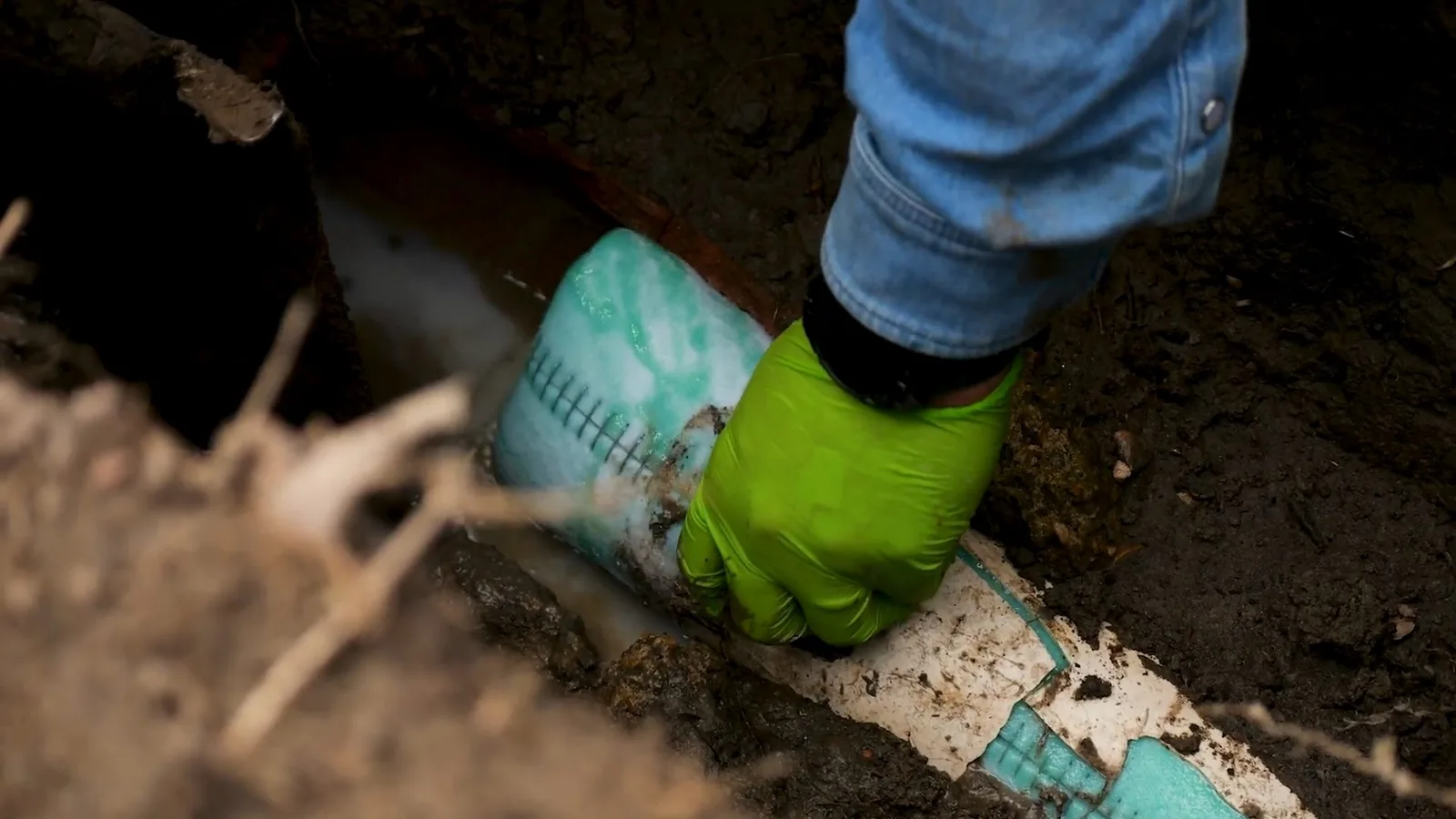
- A flexible felt sleeve soaked in resin is pulled or inverted into the pipe.
- The sleeve is pressed against the old pipe wall and the resin is cured with heat, steam or light.
- Side connections, such as a branch from the house, are reopened with a cutter.
- A final camera pass shows the finished lining.
Cured, the liner forms a smooth pipe inside the old one. It seals cracks and open joints and blocks root entry. It does not make the old pipe stronger in a collapsed section.
What your pipe has to be like for lining to work
Lining depends on the pipe's shape and path. A camera look before the decision answers each of these.
- The pipe is continuous, not collapsed or pulled apart at a joint
- There is no heavy belly holding standing water
- The path from the cleanout is clear, with no sharp offsets
- Roots and scale can be cleaned out first
- Side connections can be reopened afterward
Ask to see the footage and have the plumber point to each condition on screen. A crew that skips the camera look and quotes a lining is guessing.
Not sure which repair fits your line? Ask a plumber about a camera look.
Call (833) 571-0120Slab and under-floor lines
The same idea reaches beneath a floor. When a drain or supply line below a slab fails, tearing the floor open is one option. Lining or rerouting around the damaged section can be another.
Rerouting means running new pipe overhead or through walls and abandoning the section under the concrete. That is covered under rerouting lines around a slab leak, which shares this method on purpose. Which fits depends on where the damage sits and how much of the floor is accessible.
Tell the plumber what the floor is, what is on it and where the damage seems to be. A finished basement floor or a tiled floor changes the plan.
What a liner does and does not fix
A liner is a repair for a pipe whose shape is still sound. It is not a cure for every sewer problem, and knowing the limits keeps expectations honest.
A liner is good at
- Sealing cracks and open joints
- Blocking roots from re-entering
- Smoothing a rough, scaled wall
- Restoring a leaking section without trenching
A liner will not fix
- A collapsed or crushed pipe
- A sag that holds standing water
- A joint pulled so far apart the sleeve cannot span it
- A pipe whose path is blocked by a solid obstruction
If your camera shows a belly or a collapsed section, the plan changes. Ask which part of your line is which, and how far the liner would run.
After the lining: what to expect
The liner needs time to cure before the line returns to service, and the crew should tell you how long that is for your job. During that time, avoid running water and flushing as instructed.
Expect a final camera record of the finished pipe and the reopened branch connections. Keep that footage with your house records. If you sell, it shows the line has been renewed, and it gives the next plumber a map of what is in the ground.
A lined pipe is slightly smaller inside than the old one, so ask whether the change in diameter matters for your line, and whether any fixtures needed a second look. Most of the time it does not, and the crew should be able to say why.
Permits, locates and what the city needs to know
Even a no-dig repair has an access pit, and that pit needs a locate. Indiana law requires a call to Indiana 811 at least two full working days before digging so buried lines are marked.
Permit rules are set locally. Indiana plumbing rules require a contractor to obtain a permit wherever a local ordinance calls for one, so ask the building department that covers your address whether lining needs a permit or an inspection. Ask the City of Valparaiso utilities which section of the lateral is yours, because that decides who does the repair.
Questions to ask before you agree to lining or digging
Both methods are a significant repair. These questions keep the choice tied to your pipe.
- What did the camera show, and why is this method right for it?
- How long a section is being lined or replaced, and where does it start and end?
- How are branch connections reopened, and will you show the final footage?
- What happens to the yard, driveway and landscaping either way?
- What does the work come with, in writing, and what does it exclude?
Prices are quoted after diagnosis, once the camera work is done, because the length and condition of the line set the job. A figure given before anyone has looked inside the pipe is a guess.
Considering a no-dig repair? Call and tell a plumber what the line is doing.
Call (833) 571-0120Need trenchless sewer repair in Valparaiso?
Tell the plumber about the backups, how old the line is and what lies above it. You will get a plan that starts with a camera look, and the price is quoted after diagnosis.